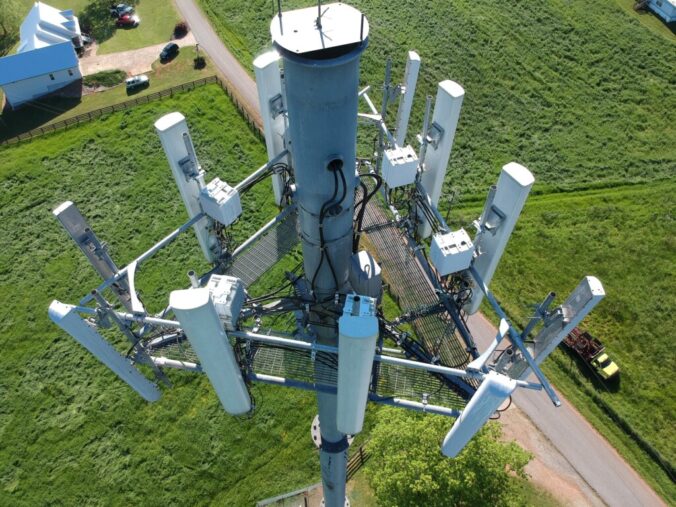
If you’ve been approached by a wireless carrier or tower company about placing equipment on your property, one of the first questions you’re likely to ask is about cell tower lease rates. The answer, however, is rarely straightforward. Lease payments can vary significantly depending on location, demand, property type, and negotiation strategy.
For landowners, business owners, and even municipalities, understanding how lease rates are structured is essential before entering into any agreement. A well-negotiated lease can generate steady long-term income, while a poorly negotiated one may lock you into below-market payments for decades.
What Influences Cell Tower Lease Rates?
Several key factors determine how much a carrier is willing to pay for a cell tower lease. Location is one of the most important variables. Urban areas or regions with high network demand typically command higher lease rates than rural or low-density areas.
Zoning restrictions and alternative site availability also matter. If your property is one of the few viable locations in a target coverage zone, you may have stronger negotiating leverage. On the other hand, if multiple nearby sites meet the carrier’s needs, rates may be more competitive.
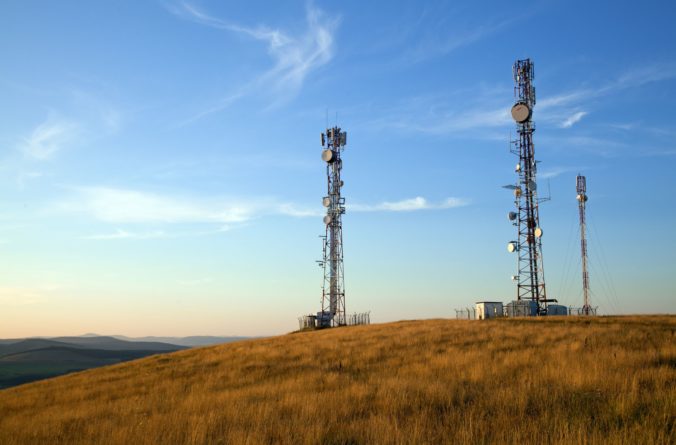
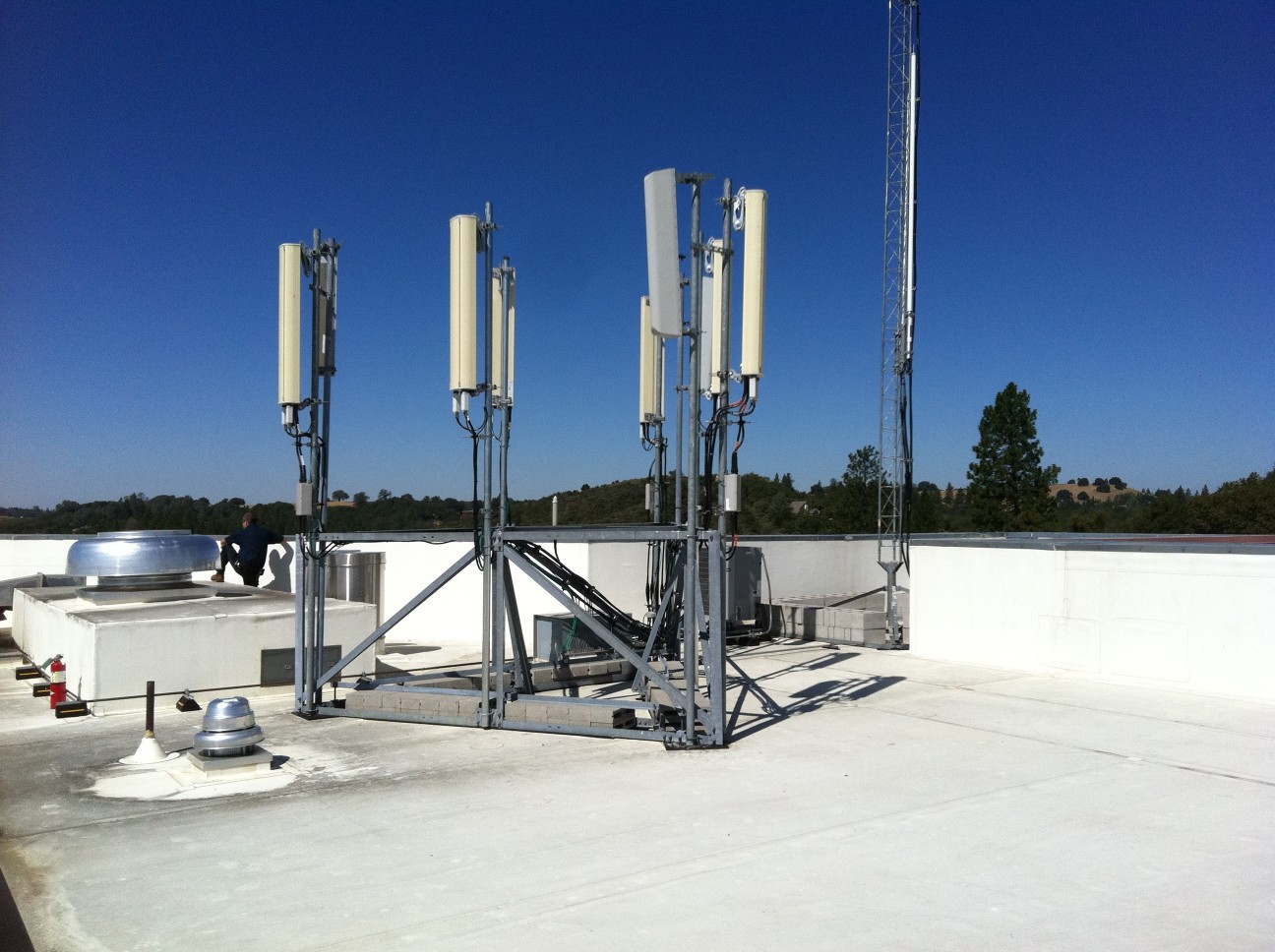
The type of structure involved—raw land, rooftop, water tower, or existing structure—also affects lease pricing. Rooftop leases in dense commercial districts often produce higher monthly payments due to limited alternative mounting options.
Typical Payment Structures
Cell tower leases are usually structured as long-term agreements, often ranging from 5 to 10 years with multiple renewal options. Monthly rent may include built-in escalation clauses that increase payments annually by a fixed percentage or every few years at a predetermined rate.
It’s important to review escalation terms carefully. A small annual increase can significantly impact total income over a 20- or 30-year agreement. Without structured increases, lease value can erode over time due to inflation.
Why Initial Offers Are Often Negotiable
Many property owners are surprised to learn that the first offer presented by a tower company is rarely the maximum they are willing to pay. Carriers aim to secure favorable terms, especially if a landowner is unfamiliar with industry standards.
This is why research and negotiation are critical. Before accepting any proposal, property owners should evaluate comparable lease values in their area and consider professional guidance. Understanding negotiation strategies can significantly increase long-term returns.
Resources such as negotiation tips for tower leases provide valuable insights into strengthening your position before finalizing an agreement.
Hidden Clauses That Affect Long-Term Value
Lease agreements often include clauses that can impact future earnings. For example, some contracts allow carriers to add additional equipment without increasing rent. Others may include assignment clauses permitting lease transfers to third parties without landowner approval.
Buyout options are another important consideration. Some companies offer lump-sum payments in exchange for long-term control of the lease. While these offers can appear attractive, they may undervalue the total lifetime revenue potential of the agreement.
Evaluating Market Comparisons
To determine whether an offer reflects fair market value, landowners should compare local data and industry benchmarks. Market comparisons provide context and highlight whether a proposal aligns with regional averages.
For property owners seeking more detailed breakdowns and market insights, platforms like cell tower lease rates offer guidance on evaluating lease terms and understanding typical rate ranges across different regions.
Long-Term Financial Planning
A cell tower lease can provide consistent recurring income, but it should be evaluated as part of a broader financial strategy. Consider tax implications, property value impact, and future development plans. In some cases, a tower installation may limit how the land can be used later.
It’s also important to review how lease payments are structured if ownership of the property changes. Clear transfer terms can prevent complications if the property is sold or inherited.
Professional Guidance Can Strengthen Outcomes
Negotiating telecommunications leases is a specialized area. Attorneys and consultants familiar with tower contracts can help identify unfavorable clauses and negotiate stronger financial terms. While professional support may involve upfront costs, it can substantially increase total lease value over time.
Given the long-term nature of these agreements, even small improvements in monthly payments or escalation percentages can produce significant financial gains across decades.
Final Thoughts
Understanding cell tower lease rates requires more than reviewing the first offer on the table. Location, market demand, contract structure, and negotiation strategy all influence the final outcome. Property owners who take time to evaluate terms carefully and seek reliable information are more likely to secure favorable agreements.
Before signing any lease, conduct thorough research, compare market benchmarks, and ensure that the contract aligns with your long-term financial goals. A well-structured agreement can provide stable income for years, while a rushed decision may limit future earning potential.